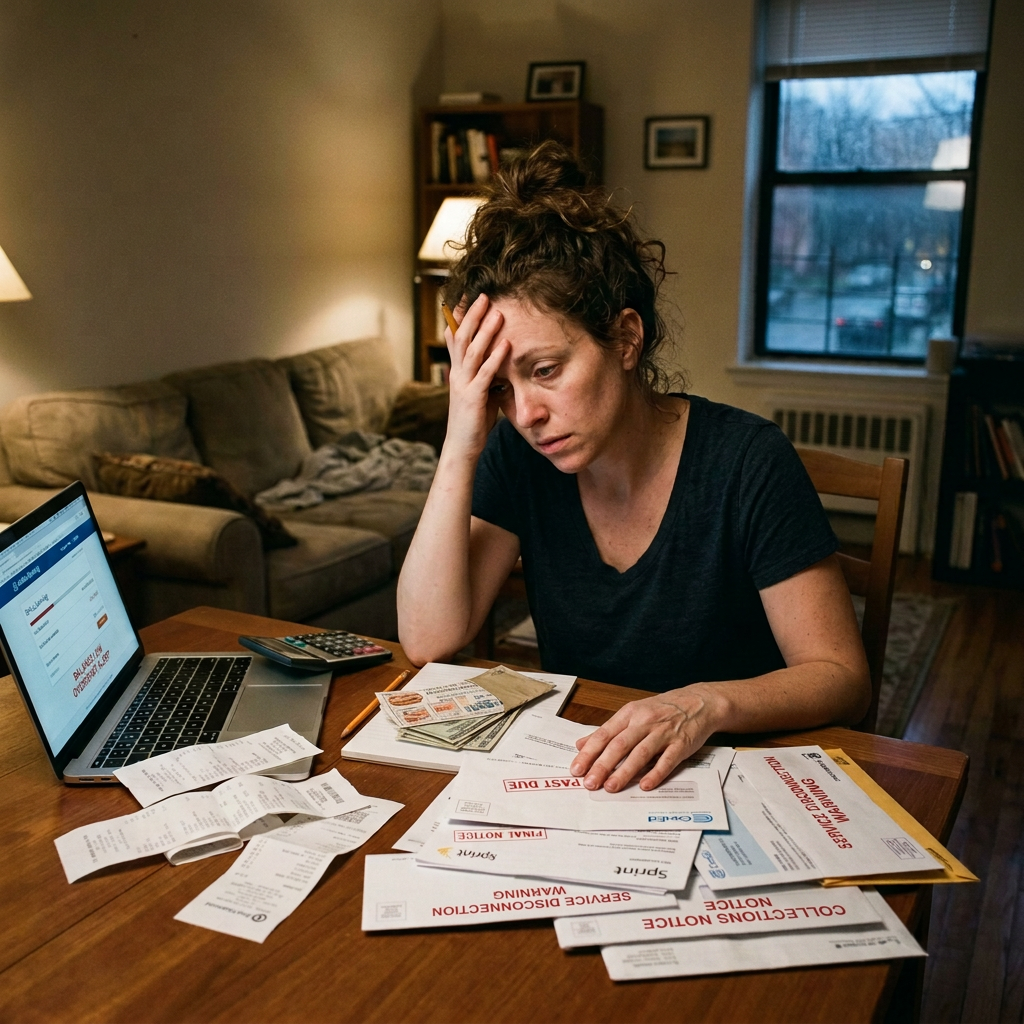
The five main reasons Americans are struggling

1. Groceries still cost more
Prices for food rose sharply during the earlier inflation surge, and most of those increases were not reversed. Even when food inflation slows, shoppers generally continue paying the higher prices. Grocery prices were 1.8% higher than a year earlier in September 2026

2. Housing absorbs a large share of income
Rent, mortgage payments, insurance, and property taxes can leave families with little money for food and utilities. Housing costs depend on local supply, construction, interest rates, and demand, and cannot be quickly reduced by presidential action.

3. Energy costs make everything else more expensive
Gasoline prices rose sharply in September 2026 amid conflict involving Iran and disruptions to oil supplies. Higher fuel costs also increase the expense of trucking food, delivering goods, and operating businesses

4. Paychecks are not stretching as far
From January 2025 through September 2026, average hourly wages and consumer prices both rose about 5.4%. That means the average worker gained essentially no purchasing power from hourly wage increases over that period, before considering individual changes in hours worked or household expenses.

5. Tariffs can raise the cost of goods
Import taxes can increase the costs businesses pay for foreign products and components. Some businesses absorb those costs, but others pass part of them to customers. The effect varies by product, supplier, and how much of the tariff is passed through.
How widespread is the problem?
A Pew Research Center survey conducted July 20–August 9, 2026, found that:
60% said their income wasn’t enough to support the life they wanted.
27% couldn’t pay some monthly bills, or could pay only part of them.
20% reported getting food from a food bank or food pantry in the past year.
71% of lower-income adults struggled with at least one of four basic necessities surveyed.
Source: Pew Research Center, October 14, 2026, reporting survey findings from summer 2026
How much responsibility does Trump bear?
There are three important distinctions:
- Policies under Trump’s control: Tariffs and federal policy choices can affect prices, taxes, and economic conditions. These are reasonable areas in which to assess his administration’s record.
- Events outside his direct control: International conflicts, global oil markets, and decisions by the Federal Reserve also affect household costs.
- Problems that predate Trump: High housing costs and the price increases from earlier inflation have carried over from previous years. A change in president does not automatically reverse them.
The latest figures show a genuine affordability problem, while determining exactly how much of it is attributable to Trump requires examining each policy and its measurable effects. Pew’s October 2026 survey also found that most Americans surveyed believed Trump’s economic policies had made the economy worse—a measure of public opinion, rather than proof of causation.
The bottom line: Americans can be working, earning a paycheck, and still struggling because necessities consume a larger share of their income. When prices rise as fast as wages—or faster—families have less money left for savings, emergencies, and other bills. That is the central affordability problem.
Sources: Pew Research Center, Reuters, The Washington Post
Leave a Reply